
 glossary
 projects


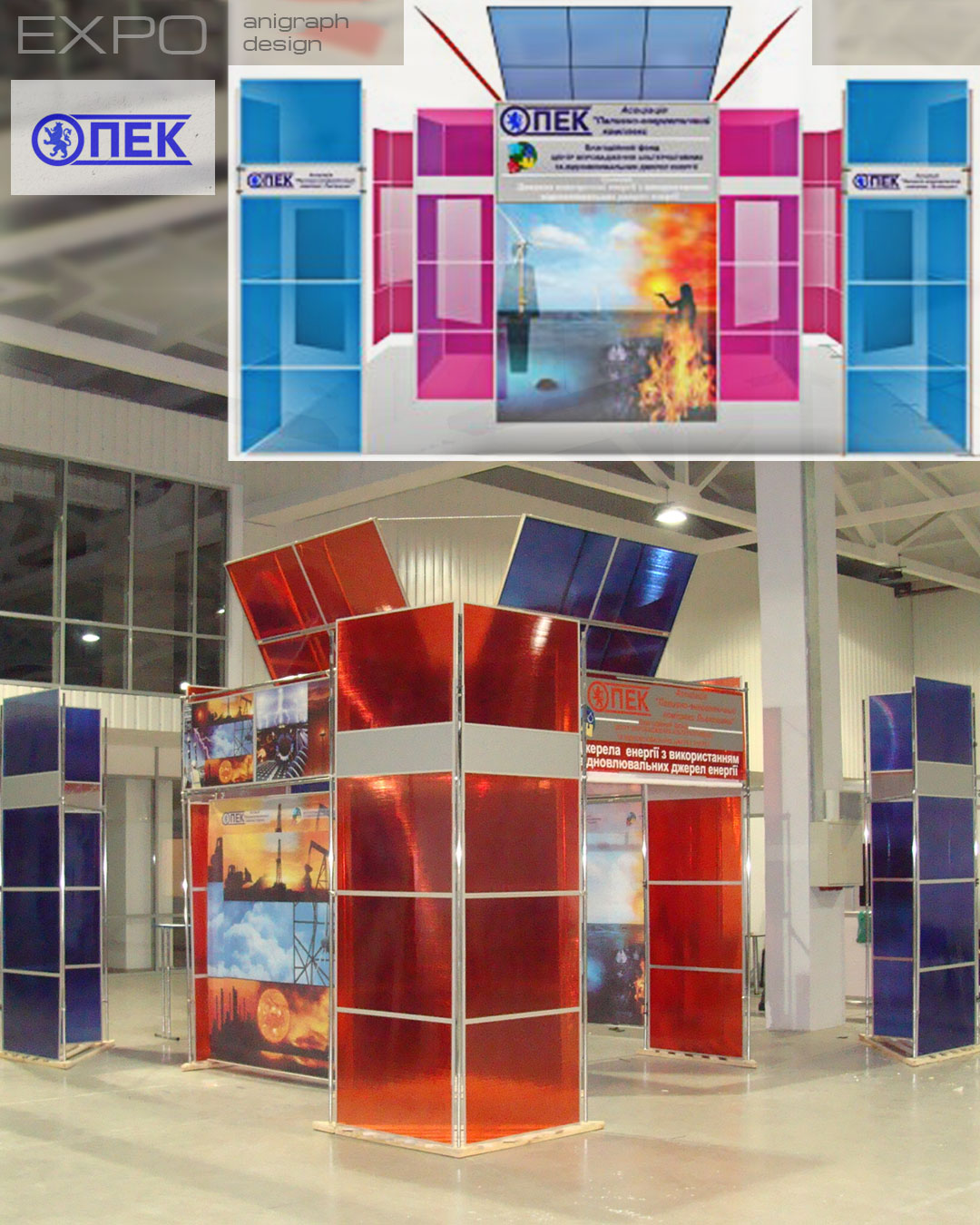
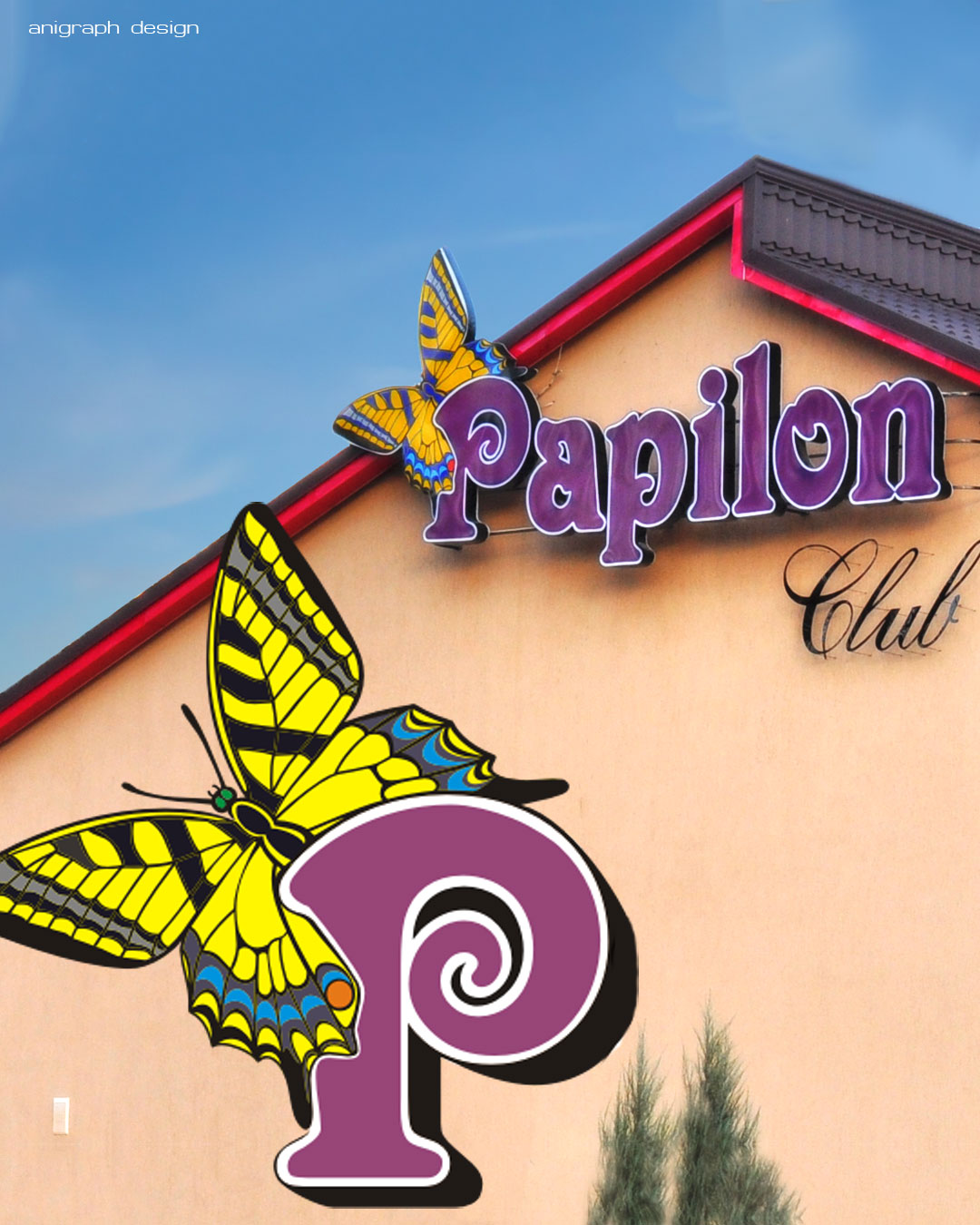

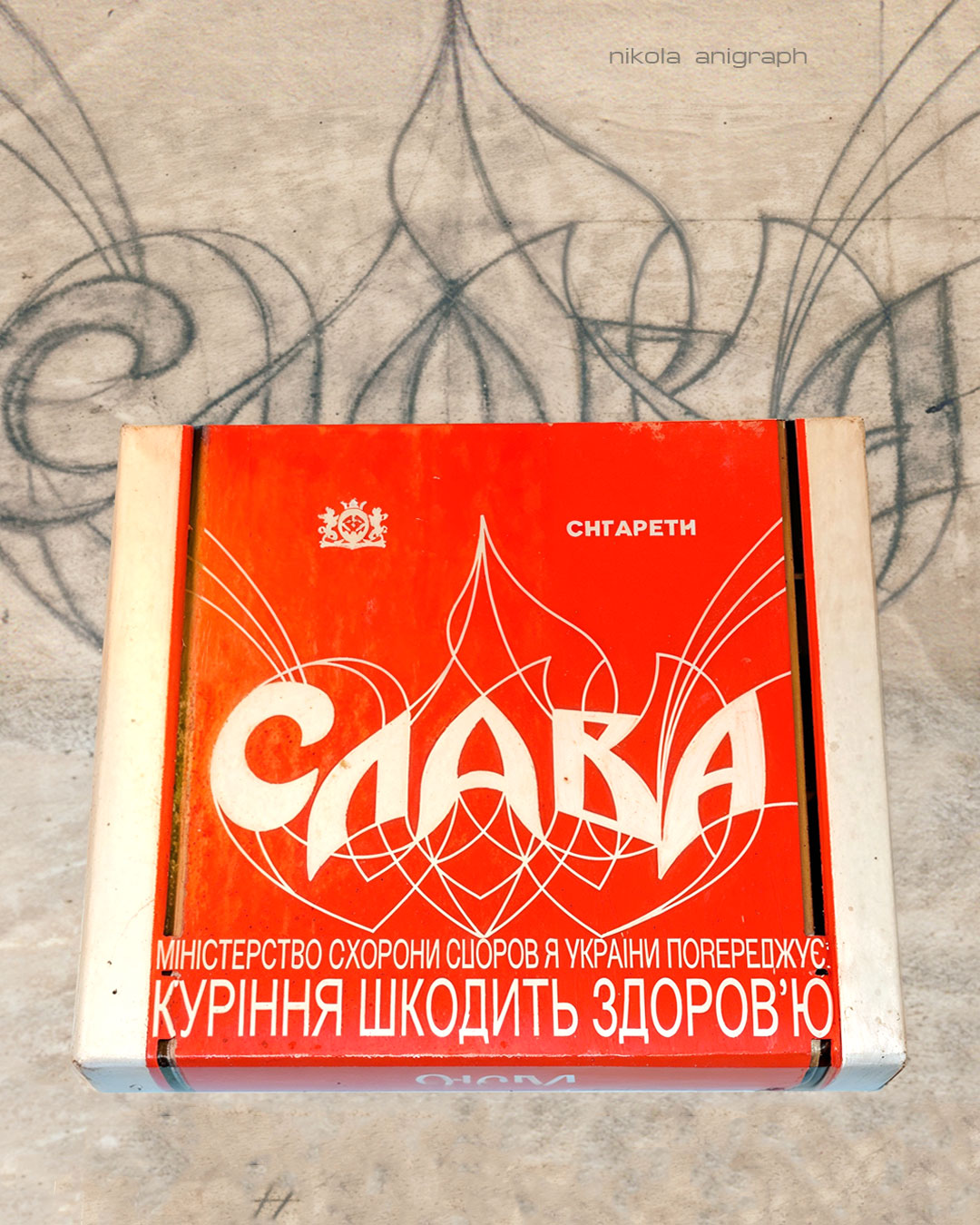
Design
is the synthesis of art and engineering; the idea (project), the process of its implementation, and the resulting result.In visual arts, design is the deliberate planning and creation of a specific look, feel, and logic for visual elements that will the staging will ultimately present to the audience. While staging coordinates space, design focuses on the internal integrity of visual elements.
Some components of design.- Visual language (aesthetics): Establishing visual presentation rules, such as color scheme, typography, and texture, so that each element is perceived as part of the same visual world.
- Form and function. Ensuring that a visual element not only looks good, but also functions, fulfilling its purpose—whether it’s designing a character that allows for certain movements or designing a user interface that’s easy to understand at a glance. Unlike pure art, design usually has a specific purpose.
- Composition hierarchy: the arrangement of a single frame, the internal arrangement of an object, the use of size and other visual properties to ensure that the most important information is perceived first.
- Iterative process: Design is rarely completed on the first try; it involves sketching, prototyping and refining depending on how well the "solution" works and how quickly abstract ideas are transformed into concrete visuals.
We practice:
Experiential graphic design
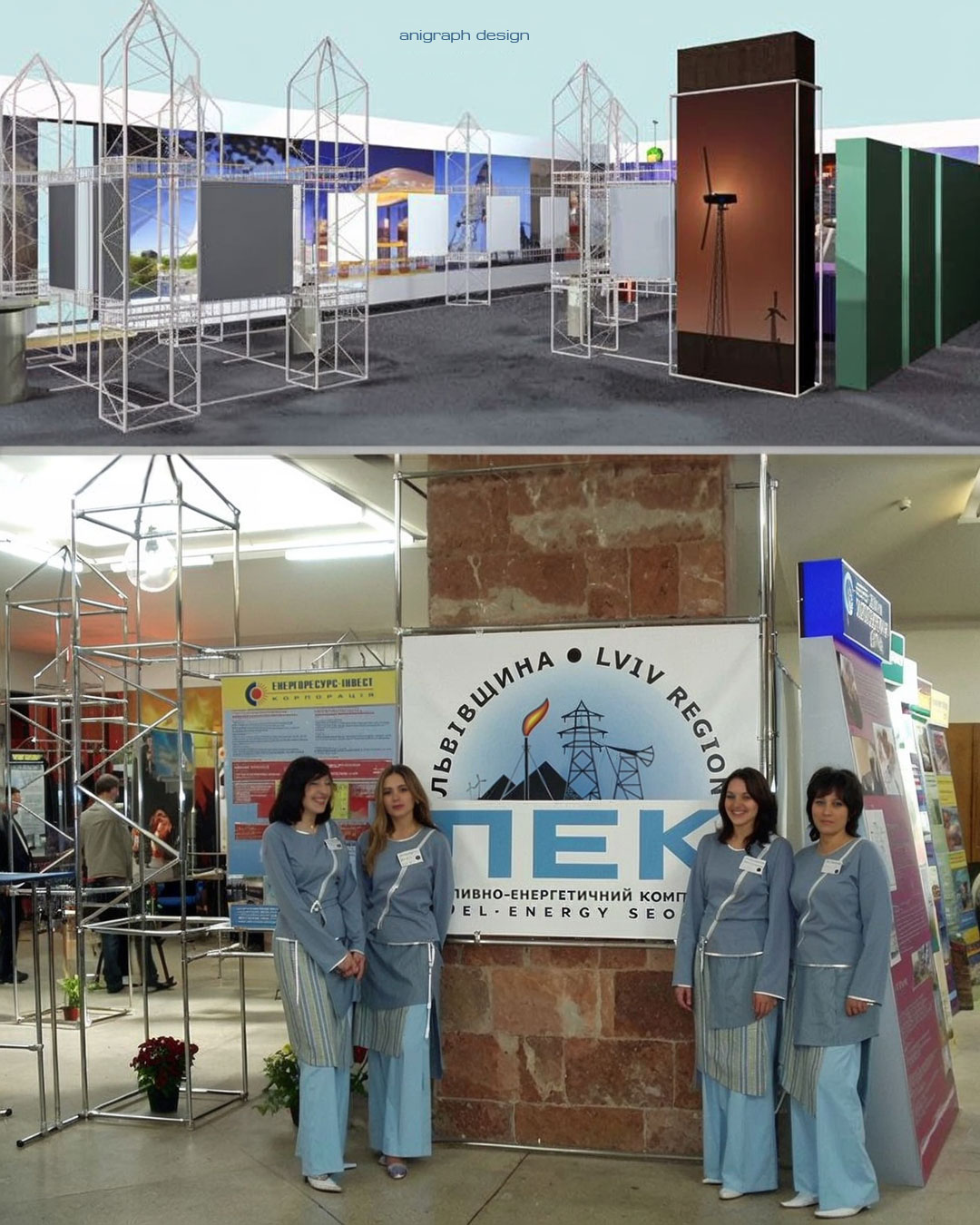
[XGD] is an interdisciplinary field that combines graphic design, architecture, fine art, lighting, landscape design, interior design, web design, and more to create a spatial experience that is immersive, interactive, and meaningful.
Design and staging are tools for creating a unified, collective work of art (Gesamtkunstwerk).
This is our synthetic creative direction — Multimedia